← Back to Main
Ω
Multi-Device Web Artwork, 2025, Individual Artwork
Ω is an interactive, multi-device web artwork that critiques the vectorisation of human identity, specifically the MBTI craze in Korea. Initially, the audience engages with a GPT-based MBTI test via mobile, constructing a cylindrical 3D vector space on surrounding screens. However, the experience shifts as phones are accidentally shaken. Realising that these tremors trigger glitches, users actively shake their devices until the ordered system tilts and collapses. This deconstruction captures shaken, low-fidelity images of the audience, overwriting the polished AI simulacrum. Ω thus acts as a playful disruption, reclaiming undefinable human subjectivity from the panopticon of algorithmic classification.
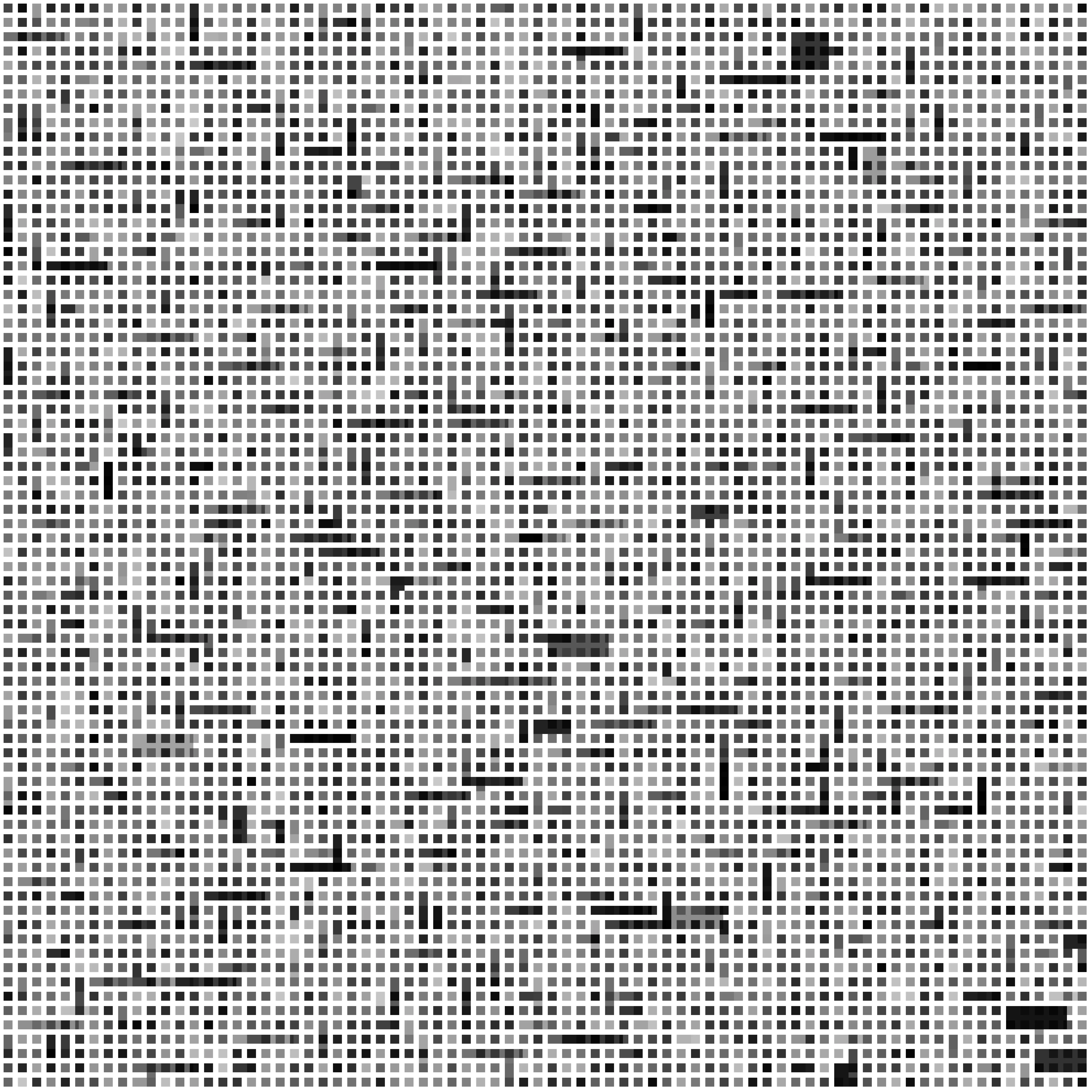
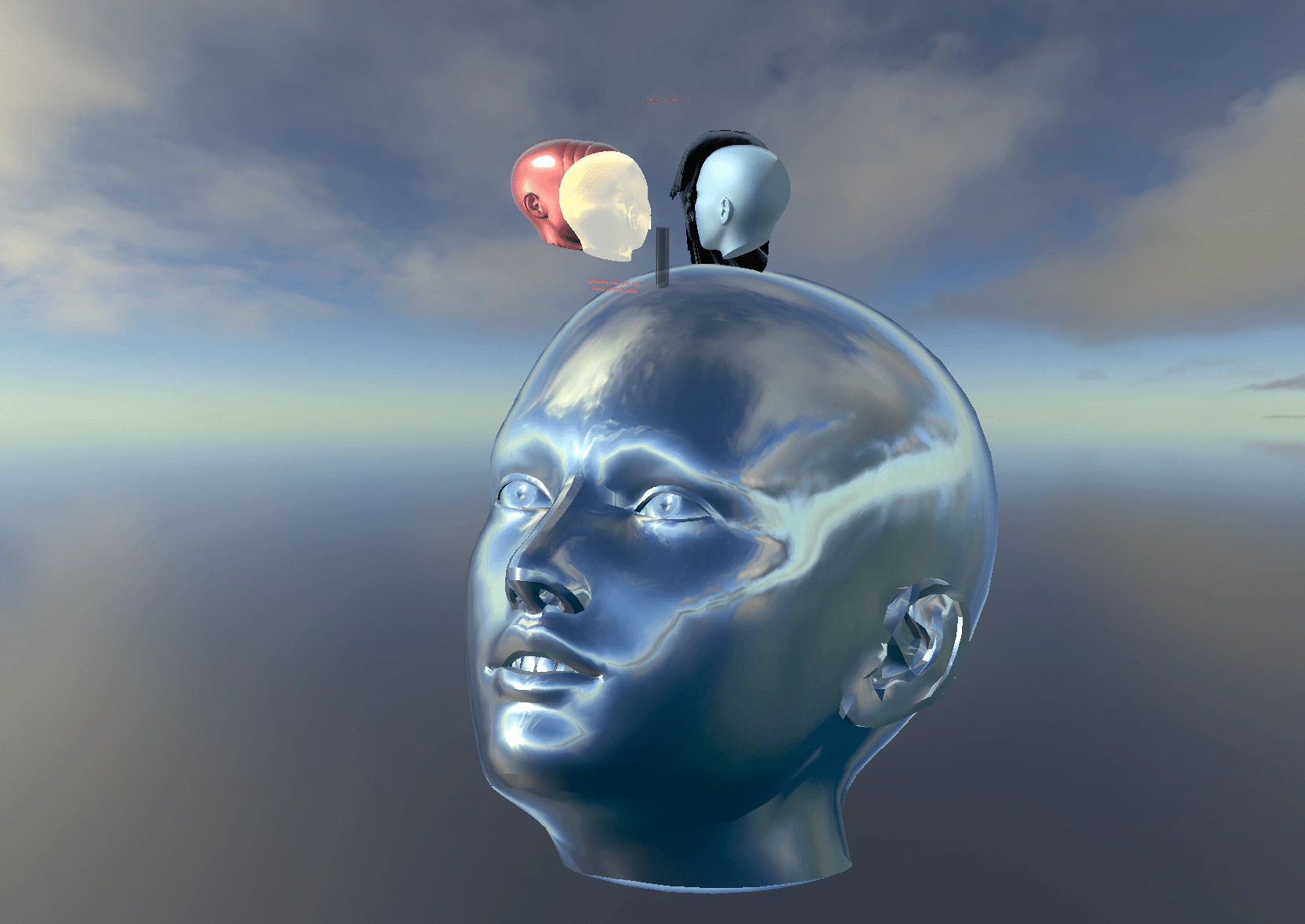
Ω (Omega) critically reflects the pervasive MBTI (Myers-Briggs Type Indicator) hype in Korea, where human identities are reduced to four-dimensional data vectors. This binary logic facilitates the standardisation, commodification, and vectorisation of the human being. We mistakenly treat these categories as definitions rather than descriptions. These vectors often serve as social filters in Korean contexts like dating and hiring, causing individuals to internalise limited categories at the expense of complexity. This reduction of humanity to data facilitates our own mechanisation. Beyond machines mimicking humans, humans are increasingly becoming machine-like vectors, signalling a profound existential crisis. Ω is a multi-device web artwork where the audience interacts with a multi-channel installation. After scanning a QR code, the audience engages with a GPT-based questionnaire using their mobile phone. Based on previous responses, the artwork infinitely generates questions with binary choices, trapping the user in the MBTI’s binary system. These responses are evaluated in real-time to produce an MBTI type, displayed across multiple screens. The leftmost screen, for instance, represents the Extrovert/Introvert axis, displaying AI-generated videos symbolising that specific type. These videos form a rotating 3D cylindrical vector space, creating a Three.js-based visual structure evoking a surveillance gaze. The audience remains trapped in the middle of this accelerating, seemingly unescapable panopticon. An unexpected narrative shift arises not from explicit instruction, but from the implicit nature of human interaction. Even a slight, accidental tremor of the holding hand triggers glitches across all devices. Initially, these subtle changes may be unnoticed. However, as the accidental shaking accumulates, the ordered cylindrical vector space distorts further, becoming impossible to ignore. Realising their physical agency, the audience no longer focuses on the interface to actively shake their mobiles. The further they shake, the larger the distortion becomes. Generative videos detach from the cylinder and float freely in 3D space, resulting in a deconstructivist collapse. Simultaneously, the mobile glitch brutally reveals the underlying code, exposing HTML tags and JavaScript variables, stripped of their protective wrappers. With each shake, live photographs are captured via the mobile camera, resulting in naturally blurred, shaken images of the audience. These imperfect human faces overwrite the polished, high-fidelity AI imagery within the deconstructed vector space. This interaction symbolises the recovery of an undefinable, imperfect subjectivity against the organised system.
The audience uses their mobile device as an expressive tool to conduct these chaotic visuals. They shake the device to direct the breakdown of the vector space, while dynamically adjusting the camera angle to manipulate textures within the scene. This multi-modal engagement demonstrates a systematic contrast: initially, the audience is a passive subject confined by panoptic screens; subsequently, they actively deconstruct the system.
The title, Ω, references the symbol for resistance in electromagnetism. Just as electrical resistance enables a circuit to flow, this work posits that questioning, doubting, and shaking the socio-cultural trend of vectorisation is essential. Ω aims to critically rethink this process. Through multi-modal interactions and unexpected narrative shifts, the work establishes a space for playful, critical, and resistive discourse on the human-algorithm relationship.
Credits
Artist: Jeanyoon Choi
Software Engineer: Jeanyoon Choi
Interaction Designer: Jeanyoon Choi
View Other Projects
Ⓒ Jeanyoon Choi, 2024